Pilates studio marketing means filling a few places per class with people who will come back every week. The room holds as many clients as it has mats or machines, so what you offer is a spot that exists once: Tuesday at seven, with one instructor, in a room with a fixed number of mats or reformers. This guide covers what is particular to a small pilates studio: explaining the method to someone who has never tried it, the introductory session, the small class as your message, the timetable, the health claims to leave out, your regulars and how to read your own numbers. It promises no results and names no agency or program.
Explain pilates to someone who has never tried it
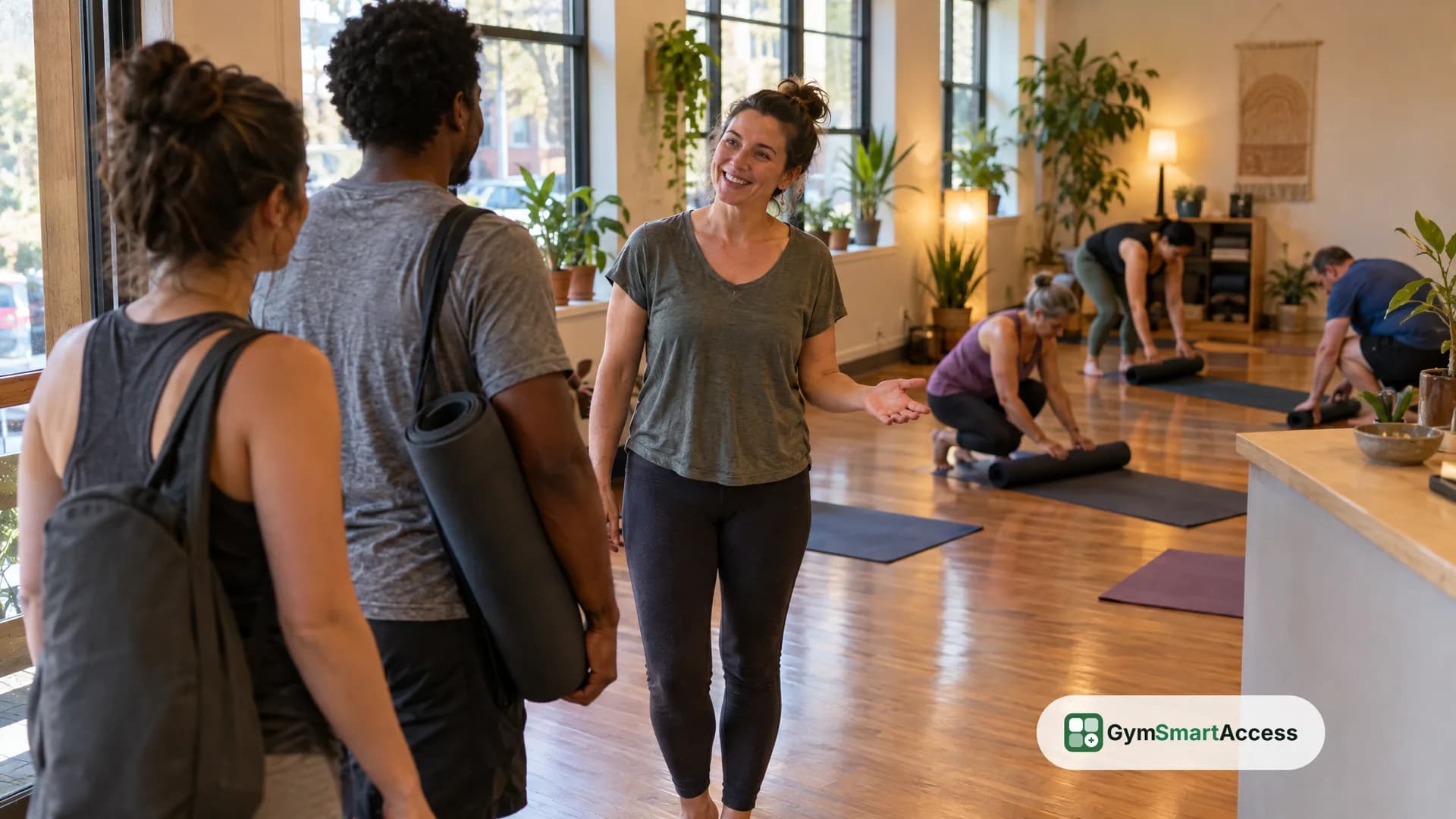
A person reading about pilates for the first time may not know what a reformer is, or that a mat class and a machine class feel different. Describe each class you teach in plain words: what the session is like, who it suits, what to wear, whether beginners are welcome and how many people are in the room.
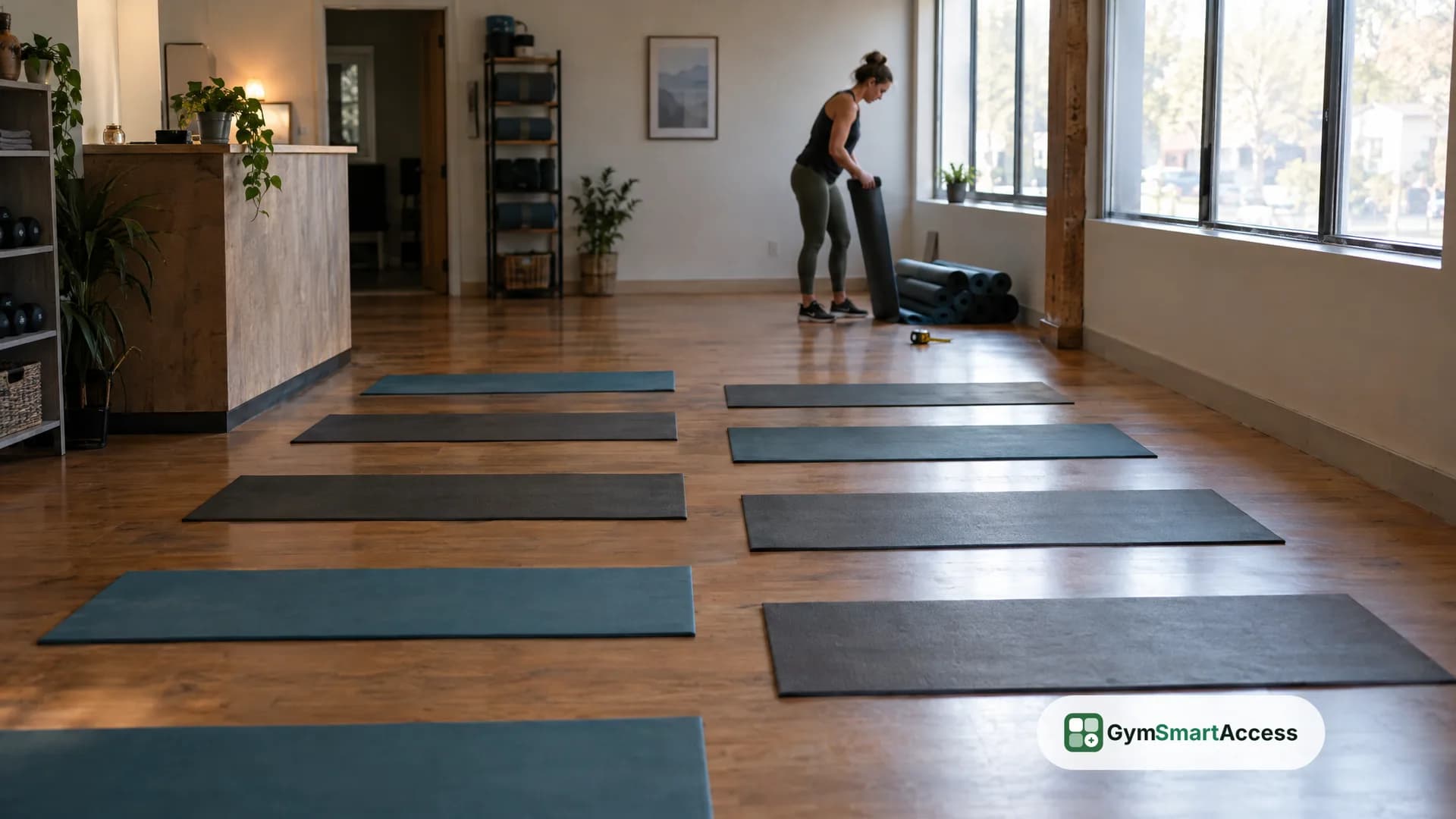
- Mat classes. Floor work on a mat, sometimes with small props such as a ball, a ring or a band. Present it as the approachable way in.
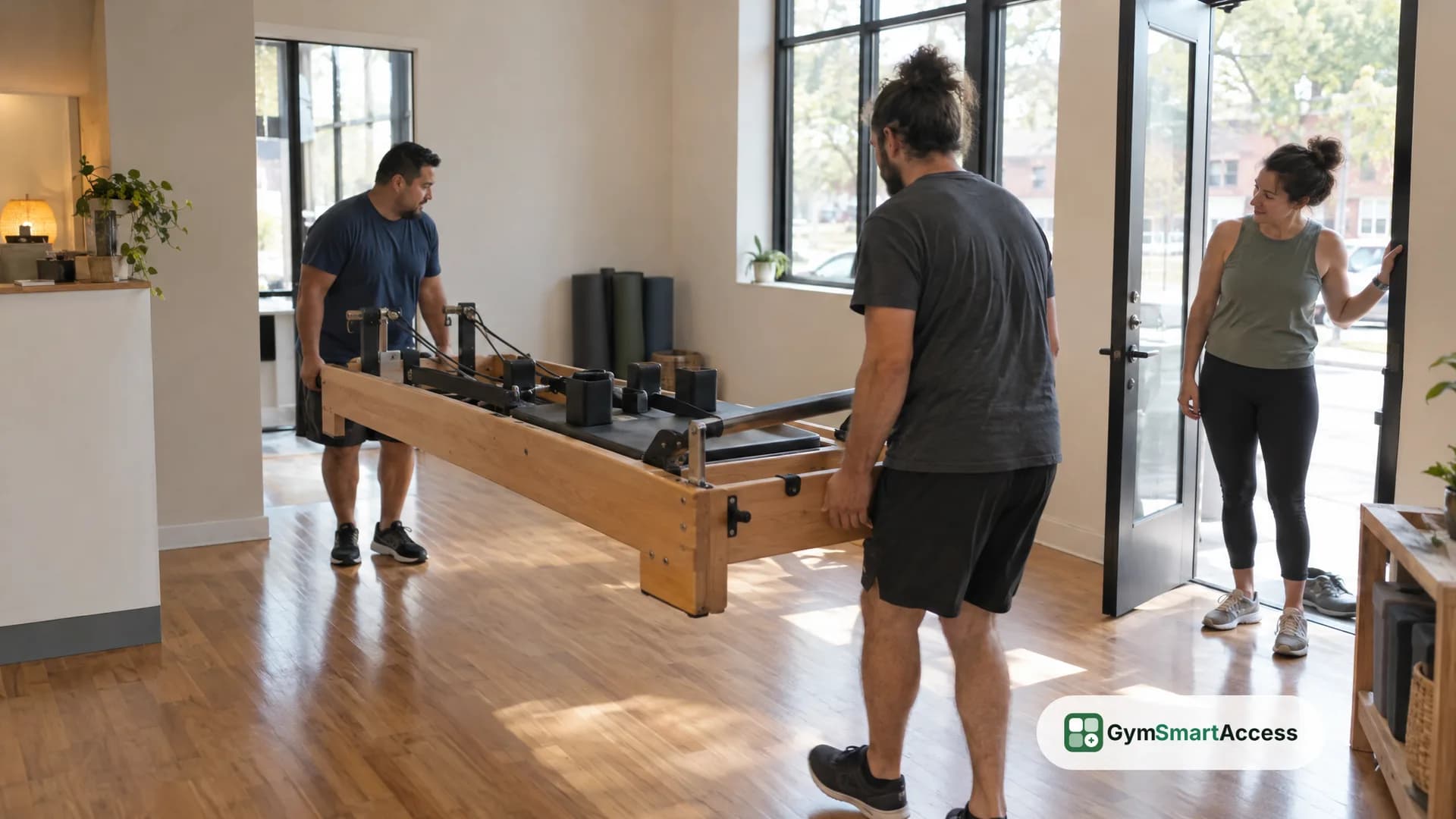
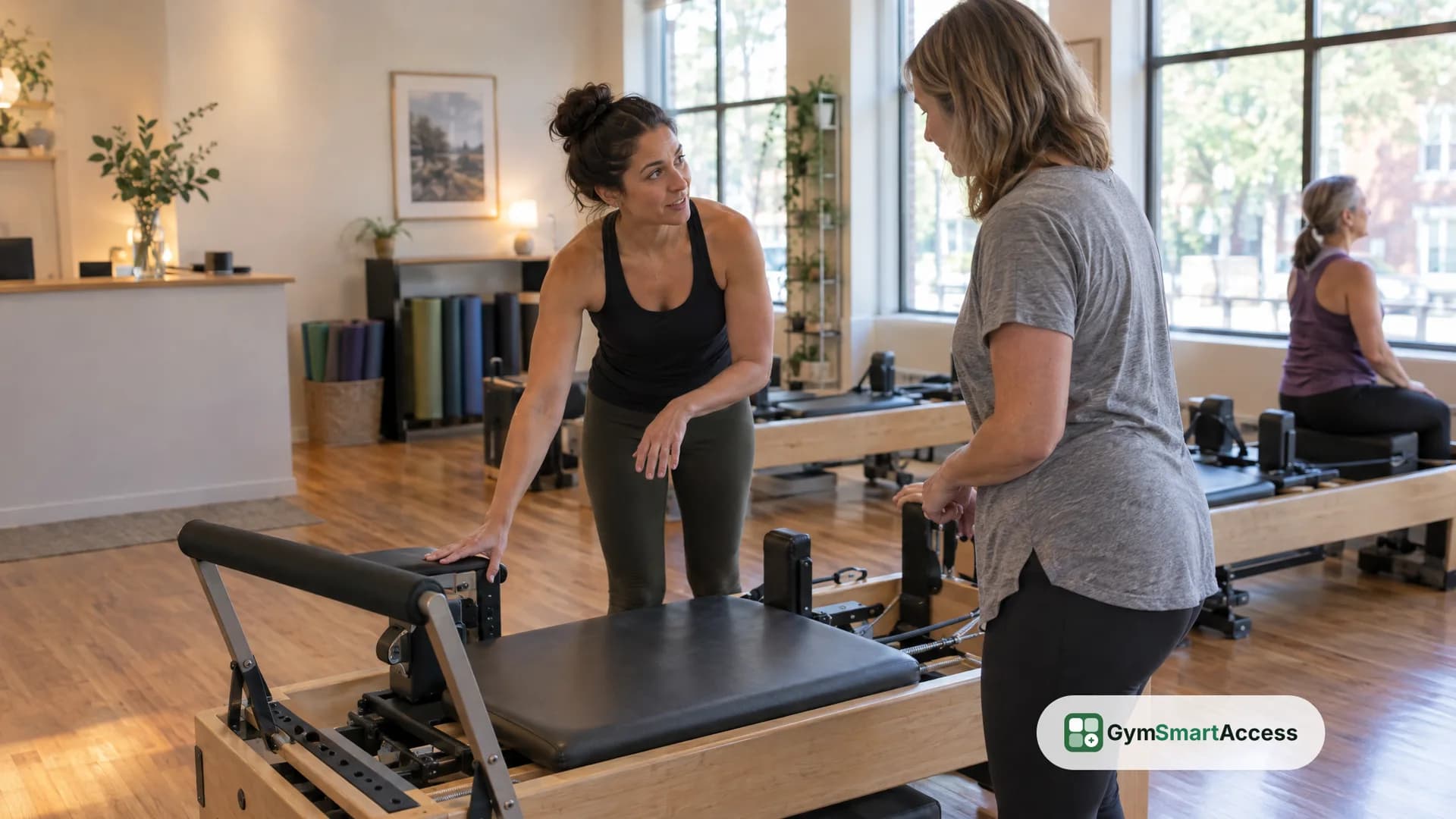
- Reformer and other apparatus. Describe the machine before anything else: a sliding carriage with springs that the instructor adjusts for each person, and one machine per client. Then say what a first session on it feels like.
Do not push a newcomer from one to the other on the first visit; let the instructor suggest it after seeing them move. And use the same words on your window, on the page you send and in every reply to a message, so a person hears the same thing wherever they find you.
Leave health claims out of your marketing
Do not describe a class as treatment for an injury, pain or a health condition, in your class descriptions, your posts or what instructors say at the door. Describe how the class feels and who it suits. When a client mentions an injury or a condition, ask them to check with their own health professional before they book, and tell the instructor. What your instructors may say about health is a question for whoever certified them and for your insurer, not for this guide.
An introductory session that answers the first questions
The first session is where a stranger decides whether the studio is for them. Keep the offer short and specific:
- One introductory session, or a first week, with what it includes and what the next step is.
- A small group, so the instructor can watch the newcomer closely, and say so in the offer.
- Practical notes: what to wear, whether you ask for socks, where to park, how early to arrive.
- The next day, a message from the instructor who taught them, asking how the session felt and proposing a class at an hour that suits them.
In GymSmartAccess, the introductory offer can be a plan whose price starts with some free days. A special rate for a regular's friend or a neighbor's staff can be a separate plan kept hidden from your public page, which your front desk assigns in person. You set both in the plan itself. The product sends no promotions, so the announcement is yours to write.
Make the small class your message
A small class, where the instructor knows every client's name and sets each machine, is something your studio can promise and keep. Say it plainly: how many people are in each class, and that you keep to that number. A full class with a waitlist is a message too, as long as the waitlist moves.
In GymSmartAccess clients reserve from their phone, and the system stops a class at its number of places. A full class keeps a waitlist where each person sees their number; when a place frees up, the first in line takes it and is told. A regular can make their usual hour permanent in the app; the weekly days in their plan set how many such hours they can hold, and your front desk can also set one up for them. Each class also has its own cutoff for booking and cancelling. The system enforces the cutoff and charges nothing for a late cancellation, so write your policy where clients will read it, and let your team apply it.
A timetable that fills
A timetable is marketing, because clients choose a studio they can reach. Before adding a class, ask who it is for and when they are free: before work, late morning for people with flexible days, after work for commuters. Open fewer classes at the hours your first clients want, and add one when a class keeps filling, so a newcomer's first sight is not a half-empty room. When you are unsure which hour to add, ask the clients on the waitlist.
Your regulars bring the next clients
The people already in your classes know others nearby who might try pilates. Ask a happy client to bring a friend to a specific session, thank them in person, and ask whether you may share a sentence they said about the studio, with their name only if they agree. Do not ask someone who has just had a bad session; fix that first.
Beyond your regulars, look for neighbors whose customers could use a small, quiet class: a gym nearby with no pilates on its schedule, a tennis or golf club, a cycling club, a salon, the offices on your block. Offer a taster class on a set date for their staff or customers, which gives people a reason to come that a flyer does not.
Read your numbers class by class
For a studio, the number that matters is how full each class is. Each week, write down for every class how many places it had and how many were taken, plus how many people took an introductory session and how many of them booked again.
- A class that is always full needs another slot, and tells you who your core clients are.
- A class that is half empty at the same hour every week needs a new hour, a new description or a pause.
- Many introductory sessions and few second bookings: look at the session itself and at the follow-up.
- Few introductory sessions: look at how people hear about you and at what the offer says.
Behind those numbers are people. In GymSmartAccess the Overview flags clients who have not been coming, starting with the most urgent, with their phone and a WhatsApp button, so the instructor can write them a personal line.
This month
Choose three moves: one way to explain the method better, one introductory offer and one habit for your regulars. Note the date you started each, and after two months keep what your class-by-class numbers back up.
To see classes with places, waitlists and weekly spots in the product, start with pilates and yoga studios, then how it works, the full list of features and pricing. The 30-day free trial needs no card.
Try it in your box or studio
Recorded payments, check-in and classes with capacity in one place. 30 days free, no card.
Try it free